Kenya Pipeline Company’s (KPC) initial public offering (IPO) presents a rare opportunity for ordinary Kenyans to own a part of a key national asset, industry experts say.
The one-month subscription, which began on January 19 and runs until February 19, 2026, marks the first time the strategic state-owned company has opened its shares to the public.
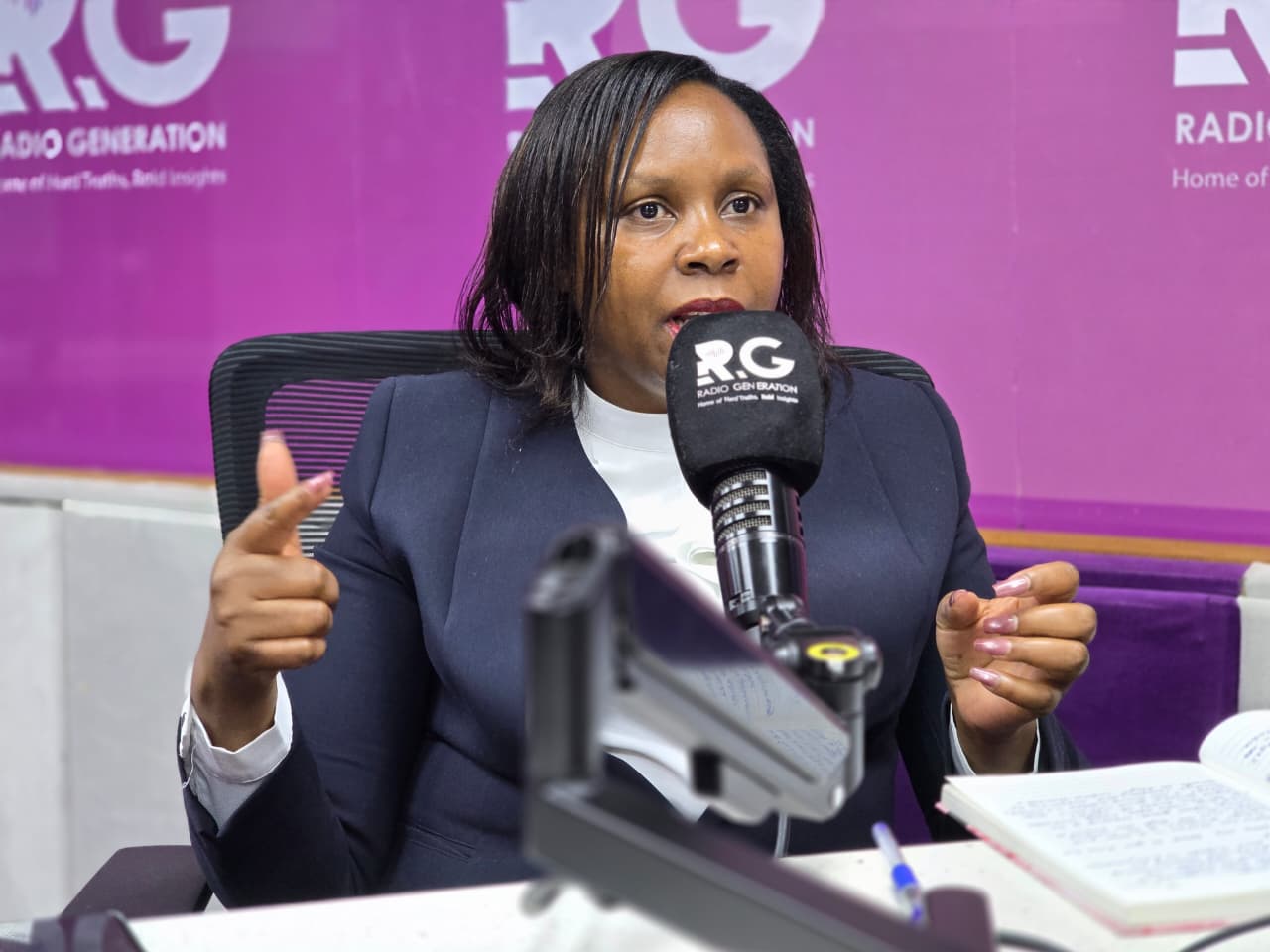
Speaking on Radio Generation on Tuesday, Susan Rigitha, Head of Customer Service and Trading at Francis Drummond and Company Stockbrokers, said the IPO is structured to ensure transparency, fair pricing, and protection for investors. She explained that while IPOs can appear complicated, the process is designed to give ordinary citizens a clear and accessible way to participate.
“Before they come up with a price, they have to value the company,” Rigitha said, noting that valuation is key to ensuring shares are fairly priced for both the company and the public. Once the value is set, the company announces the number of shares available and the minimum an investor can apply for.
She highlighted that many first-time investors often misunderstand the process, citing the Safaricom IPO as an example. “You can’t just walk in and say, ‘Here is my money, give me shares,’” Rigitha said. She stressed the importance of having a Central Depository System (CDS) account, which holds shares electronically, as physical share certificates are no longer issued.
CDS accounts can be opened through licensed stockbrokers or banks offering investment banking services. Rigitha clarified that investment banks are different from commercial banks, as they advise companies during IPOs, determine pricing, and guide the capital-raising process. All activities are regulated by the Capital Markets Authority (CMA) and overseen by the Nairobi Securities Exchange.
The IPO process involves several key players, including transaction advisers, sponsoring brokers, and stockbrokers. “The transaction adviser does all the paperwork and takes it to the regulators for approval,” she said, explaining that CMA and NSE approval is required before shares are sold to the public.
The discussion around KPC’s privatisation began nearly two decades ago. The company was first targeted for privatisation in 2008 and included in the government programme in 2009. However, delays due to policy, market, and administrative issues stalled the process for over ten years. The plan regained momentum in 2025, when the National Treasury tabled a sessional paper proposing the IPO, which was approved by the National Assembly on October 1, 2025.
Following approval, the Privatisation Commission greenlit the transaction structure and invited bids for advisers, enabling valuation, structuring, and regulatory compliance work to begin. The IPO officially opened on January 19, 2026.
Rigitha said public participation in KPC is not only a chance to own shares but also an opportunity to benefit financially through dividends and potential capital gains. “You buy shares when they are low, and when they go high, you gain. You also expect dividends, and KPC is a big company,” she said.
On valuation, she explained that advisers consider all assets, including physical infrastructure and human resources, to determine the company’s worth. Staff productivity and costs are reflected in financial statements that help shape the share pricing. The number of shares offered is determined by the company’s valuation and ownership structure, with the goal of making them affordable for the public.
“The whole idea is to give the public a chance to own a piece of the company,” Rigitha said, underscoring that the KPC IPO provides Kenyans a tangible way to invest in a strategic national firm.































Comments
Sign in with Google to comment, reply, and like comments.
Continue with Google